Exhibitions Now On
"X" The Wordless Book – A Miniature Exhibition of Guizhou Miao Cross-Stitch Culture
"X" The Wordless Book – A Miniature Exhibition of Guizhou Miao Cross-Stitch Culture
Exhibition Period|May 1 – Aug. 30
Location|2nd Floor Permanent Exhibition (Chinese Ethnic Minorities Area)
Cross-stitch, also known as cross-stitch embroidery, gets its name from the many "X" shapes that make up the patterns. It is often embroidered on grid fabric following the warp and weft directions to stitch many "X" shapes that combine into various patterns, hence also called counted-thread cross-stitch.
The Miao people, lacking a written script throughout their historical development, have for generations recorded their culture, totem worship, and history on clothing through weaving or embroidery patterns, thus earning the description "history books worn on the body."
This exhibition features three children's garments from the Miao people of Huangping County in the Qiandongnan region of Guizhou Province, commonly known as "Huangping Miao." These include two bibs and one vest, all embroidered with silk thread on finely woven warp-and-weft fabric. The bibs are part of the local Miao traditional attire, mostly using black and red as base colors, expressing Miao culture, myths, and historical development. In addition to commonly seen floral, butterfly, and bird patterns from daily life, they also incorporate symbolic decorative motifs, such as "Butterfly Mother," symbolizing ancestors and protective deities, to bless children's safe growth.
Another three pieces are cross-stitch embroidery panels with black backgrounds from Huaxi District, Guiyang City, Guizhou Province. All use black cloth as the ground, decorated with cross-stitch embroidery, named for the many "X" shapes knotted into patterns. They are often embroidered on evenly gridded woven fabric, with embroidery threads mainly in pink-purple hues, supplemented by red, and green used as a contrasting color. Despite the strong contrast, the green, due to human visual inertia, appears to blend into a unified whole, creating an overall tone that is bright, serene, and comfortable. Two of the cross-stitch panels feature geometric patterns resembling floral forms; the fishbone and diamond patterns in the embroidery are extensions of fish worship and are likely embroidery decorative pieces used on clothing by the Huaxi Miao. The other cross-stitch panel is a cover cloth for a baby carrier, used to protect an infant's head from wind and rain. The embroidery on it not only carries the cultural traditions of the people but also represents a mother's blessing for her child. This cover cloth primarily features floral patterns in pink-purple hues, with four cross structures at each corner extending toward the center. The patterns are typically based on nature, just as nature nurtures people, also protecting the growth of life.
Exhibition Period|May 1 – Aug. 30
Location|2nd Floor Permanent Exhibition (Chinese Ethnic Minorities Area)
Cross-stitch, also known as cross-stitch embroidery, gets its name from the many "X" shapes that make up the patterns. It is often embroidered on grid fabric following the warp and weft directions to stitch many "X" shapes that combine into various patterns, hence also called counted-thread cross-stitch.
The Miao people, lacking a written script throughout their historical development, have for generations recorded their culture, totem worship, and history on clothing through weaving or embroidery patterns, thus earning the description "history books worn on the body."
This exhibition features three children's garments from the Miao people of Huangping County in the Qiandongnan region of Guizhou Province, commonly known as "Huangping Miao." These include two bibs and one vest, all embroidered with silk thread on finely woven warp-and-weft fabric. The bibs are part of the local Miao traditional attire, mostly using black and red as base colors, expressing Miao culture, myths, and historical development. In addition to commonly seen floral, butterfly, and bird patterns from daily life, they also incorporate symbolic decorative motifs, such as "Butterfly Mother," symbolizing ancestors and protective deities, to bless children's safe growth.
Another three pieces are cross-stitch embroidery panels with black backgrounds from Huaxi District, Guiyang City, Guizhou Province. All use black cloth as the ground, decorated with cross-stitch embroidery, named for the many "X" shapes knotted into patterns. They are often embroidered on evenly gridded woven fabric, with embroidery threads mainly in pink-purple hues, supplemented by red, and green used as a contrasting color. Despite the strong contrast, the green, due to human visual inertia, appears to blend into a unified whole, creating an overall tone that is bright, serene, and comfortable. Two of the cross-stitch panels feature geometric patterns resembling floral forms; the fishbone and diamond patterns in the embroidery are extensions of fish worship and are likely embroidery decorative pieces used on clothing by the Huaxi Miao. The other cross-stitch panel is a cover cloth for a baby carrier, used to protect an infant's head from wind and rain. The embroidery on it not only carries the cultural traditions of the people but also represents a mother's blessing for her child. This cover cloth primarily features floral patterns in pink-purple hues, with four cross structures at each corner extending toward the center. The patterns are typically based on nature, just as nature nurtures people, also protecting the growth of life.
Event Details
- 2026-05-01 — 臺中市纖維工藝博物館
You Might Also Like
Exhibitions JAN 19 — DEC 31 Now On
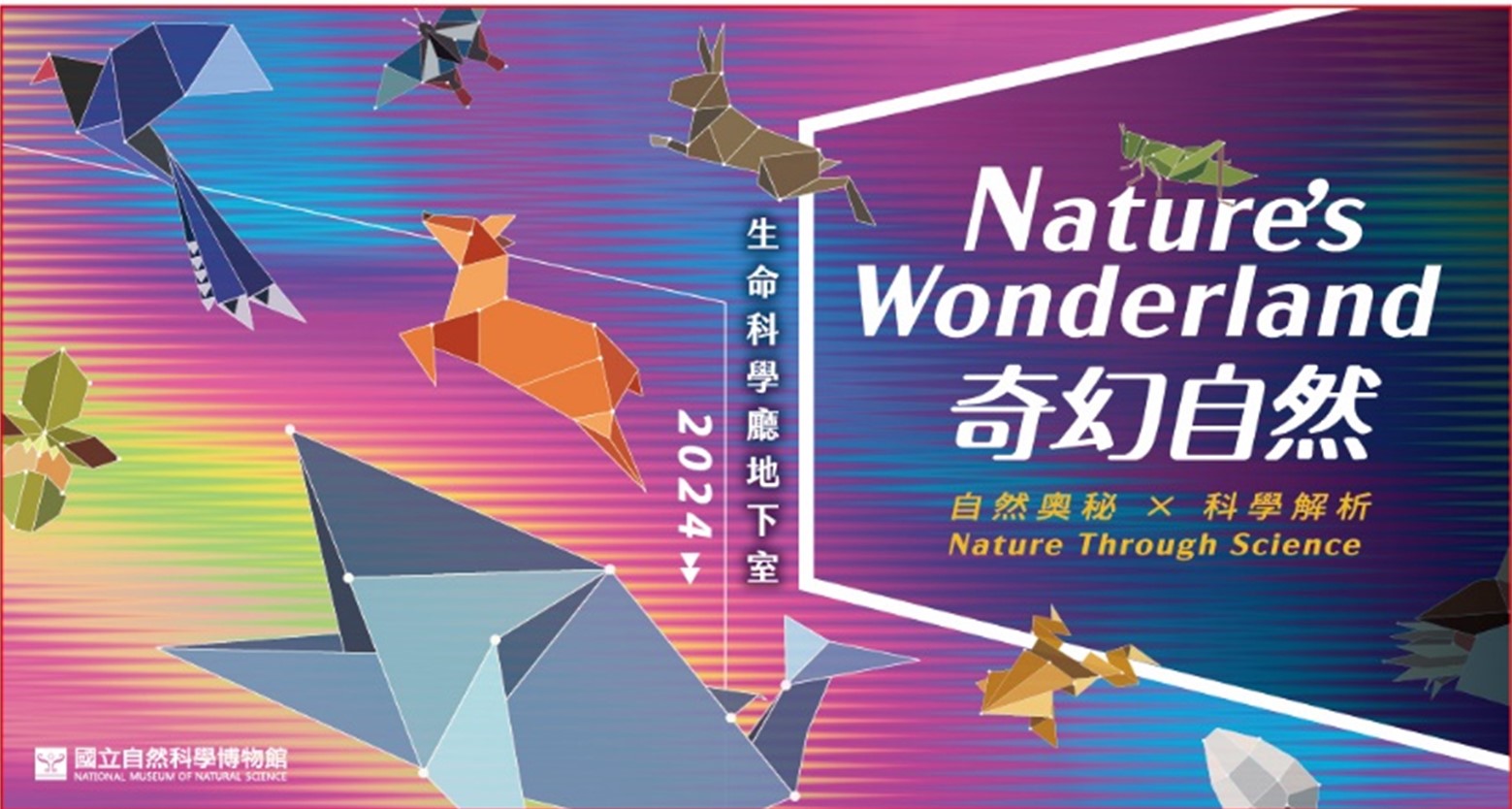
National Museum of Natural Science "Fantastic Nature" Permanent Exhibition
The National Museum of Natural Science welcomes a magnificent transformation of its Life Science Hall. The new…
Exhibitions SEP 17 — DEC 31 Now On
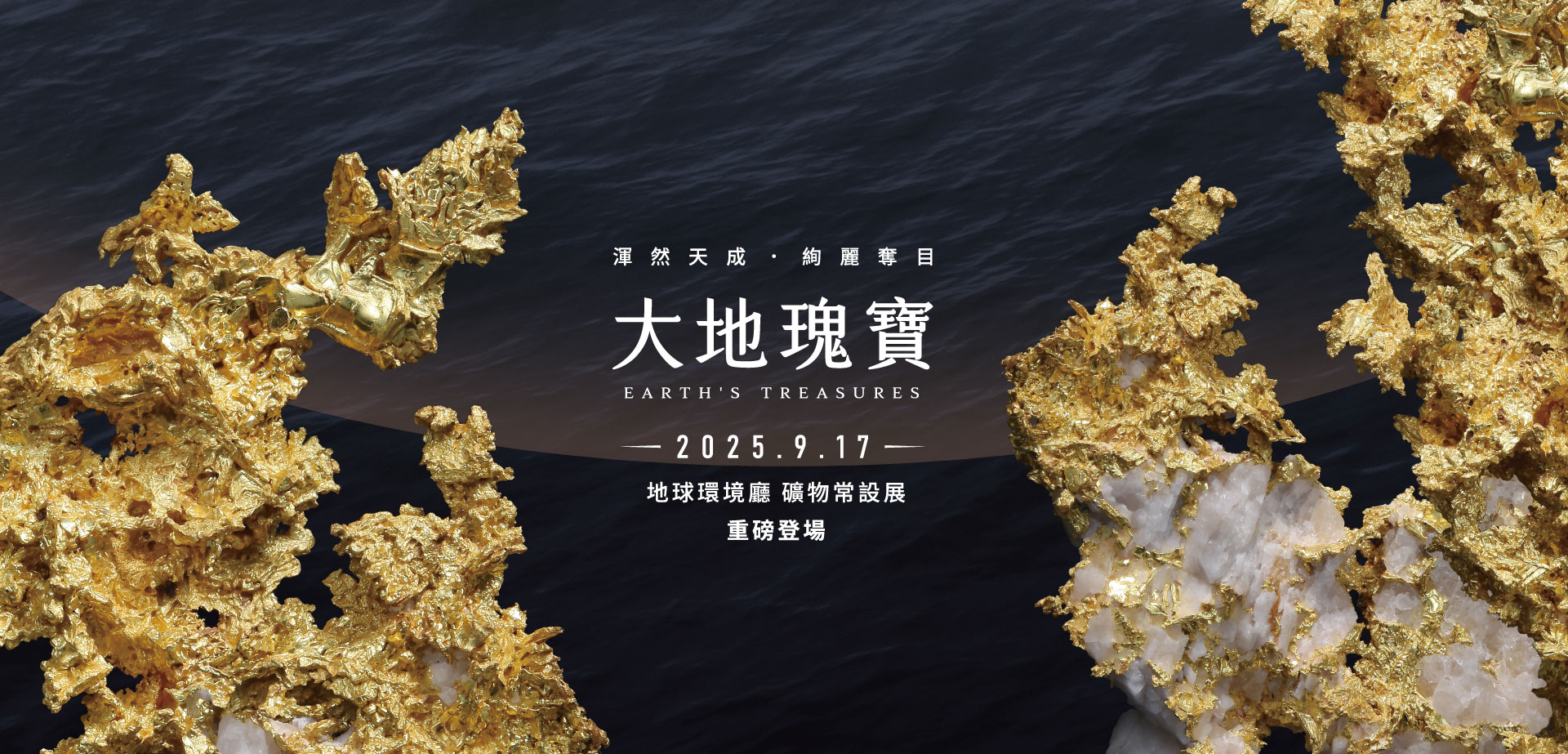
National Museum of Natural Science "Treasures of the Earth" Mineral Permanent Exhibition
After 5 years of planning, the National Museum of Natural Science is now proudly launching Taiwan's first large-scale…
Exhibitions JAN 1 — AUG 9 Now On
"24/7::: Repetition and Layering in Creation" Children's Art Education Exhibition
"24/7" (twenty-four-seven), meaning 24 hours a day, 7 days a week, is an idiom in the English-speaking world used to…