Exhibitions Now On
Passing the Light for Sixty Years, Looking Up for a Century: A Special Memorial Exhibition of Venerable Master Hsing Yun's One-Stroke Calligraphy
Coinciding with the relocation of Fo Guang Shan Hui Zhong Temple to its new site, this is the inaugural exhibition for the new Taichung branch, the 17th global branch of the Fo Guang Yuan Art Museum. Marking the opening of this new venue, and coinciding with the 60th anniversary of the founding of Fo Guang Shan and the 100th anniversary of Venerable Master Hsing Yun's birth, the Fo Guang Yuan Art Museum headquarters has specially curated the inaugural exhibition "Passing the Light for Sixty Years, Looking Up for a Century: A Special Memorial Exhibition of Venerable Master Hsing Yun's One-Stroke Calligraphy," reflecting on the Master's lifelong compassionate vows to promote Humanistic Buddhism. This exhibition also marks the first public display of the "One-Stroke" calligraphy in Taiwan since the Master's passing, making it exceptionally precious.
The exhibition is organized into five major sections: "Forming Good Affinities," "Humanistic Buddhist Affinities, Looking Up for a Century," "Harmonious Coexistence," "Instant Success," and "Writing Spring Couplets Yearly." It showcases Venerable Master Hsing Yun's "One-Stroke" calligraphy works, supplemented by diverse media such as handwritten letters, historical images, calligraphy seals, sculptures, and carvings, totaling 183 pieces. This comprehensive presentation traces the Master's life journey of integrating Buddhist teachings into daily life and connecting with the public through art.
One of the exhibition highlights is the precious work where Venerable Master Hsing Yun, at the age of 85, overcame hand tremors, deteriorating eyesight, and mobility issues to personally write the Heart Sutra on 66 hanging scrolls. Notably, the sutra title was written using "one paper, two characters," creating a unique beginning. Curator Venerable Ru Chang points out that the Master intentionally left blank spaces between lines of the sutra text to make recitation and phrasing clearer, demonstrating his thoughtful and skillful consideration for all beings. This writing method is extremely rare in the history of Chinese calligraphy, holding profound artistic and religious significance.
Through the five sections—"Forming Good Affinities," "Humanistic Buddhist Affinities, Looking Up for a Century," "Harmonious Coexistence," "Instant Success," and "Writing Spring Couplets Yearly"—the exhibition presents the spiritual essence of Venerable Master Hsing Yun's promotion of Humanistic Buddhism through calligraphy. From the wisdom of forming affinities with a single good thought, to the Dharma propagation journey of the Buddha's Light International Association across five continents; from advocating respect, tolerance, and practicing the vision of harmonious coexistence in the human world, to encouraging people to seize opportunities and act bravely through zodiac animal philosophies; and by writing spring couplets yearly, transforming blessings and culture into daily life. The exhibition not only reviews the Master's significant footsteps in propagating the Dharma in central Taiwan but also showcases his profound influence in liberating beings through brush and ink, illuminating the world with compassion and wisdom.
Venerable Master Hsing Yun encouraged us with "Never Forget the Initial Aspiration" to safeguard our original good thoughts and vows. Only through perseverance can we proceed perfectly on the path of life. Venerable Master Hsing Yun once said, "If the 'One-Stroke' calligraphy has any value, it is solely based on a heart that seeks to form affinities with people and bring them joy." The Fo Guang Yuan Art Museum sincerely invites the public to visit the Taichung branch. Amidst the brushstrokes, feel the Master's timeless compassionate blessings and carry the Buddhist wisdom and warm power contained within the "One-Stroke" calligraphy back into your daily lives.
The exhibition is organized into five major sections: "Forming Good Affinities," "Humanistic Buddhist Affinities, Looking Up for a Century," "Harmonious Coexistence," "Instant Success," and "Writing Spring Couplets Yearly." It showcases Venerable Master Hsing Yun's "One-Stroke" calligraphy works, supplemented by diverse media such as handwritten letters, historical images, calligraphy seals, sculptures, and carvings, totaling 183 pieces. This comprehensive presentation traces the Master's life journey of integrating Buddhist teachings into daily life and connecting with the public through art.
One of the exhibition highlights is the precious work where Venerable Master Hsing Yun, at the age of 85, overcame hand tremors, deteriorating eyesight, and mobility issues to personally write the Heart Sutra on 66 hanging scrolls. Notably, the sutra title was written using "one paper, two characters," creating a unique beginning. Curator Venerable Ru Chang points out that the Master intentionally left blank spaces between lines of the sutra text to make recitation and phrasing clearer, demonstrating his thoughtful and skillful consideration for all beings. This writing method is extremely rare in the history of Chinese calligraphy, holding profound artistic and religious significance.
Through the five sections—"Forming Good Affinities," "Humanistic Buddhist Affinities, Looking Up for a Century," "Harmonious Coexistence," "Instant Success," and "Writing Spring Couplets Yearly"—the exhibition presents the spiritual essence of Venerable Master Hsing Yun's promotion of Humanistic Buddhism through calligraphy. From the wisdom of forming affinities with a single good thought, to the Dharma propagation journey of the Buddha's Light International Association across five continents; from advocating respect, tolerance, and practicing the vision of harmonious coexistence in the human world, to encouraging people to seize opportunities and act bravely through zodiac animal philosophies; and by writing spring couplets yearly, transforming blessings and culture into daily life. The exhibition not only reviews the Master's significant footsteps in propagating the Dharma in central Taiwan but also showcases his profound influence in liberating beings through brush and ink, illuminating the world with compassion and wisdom.
Venerable Master Hsing Yun encouraged us with "Never Forget the Initial Aspiration" to safeguard our original good thoughts and vows. Only through perseverance can we proceed perfectly on the path of life. Venerable Master Hsing Yun once said, "If the 'One-Stroke' calligraphy has any value, it is solely based on a heart that seeks to form affinities with people and bring them joy." The Fo Guang Yuan Art Museum sincerely invites the public to visit the Taichung branch. Amidst the brushstrokes, feel the Master's timeless compassionate blessings and carry the Buddhist wisdom and warm power contained within the "One-Stroke" calligraphy back into your daily lives.
Event Details
- 2026-01-18 — 佛光緣美術館台中館
You Might Also Like
Exhibitions JAN 19 — DEC 31 Now On
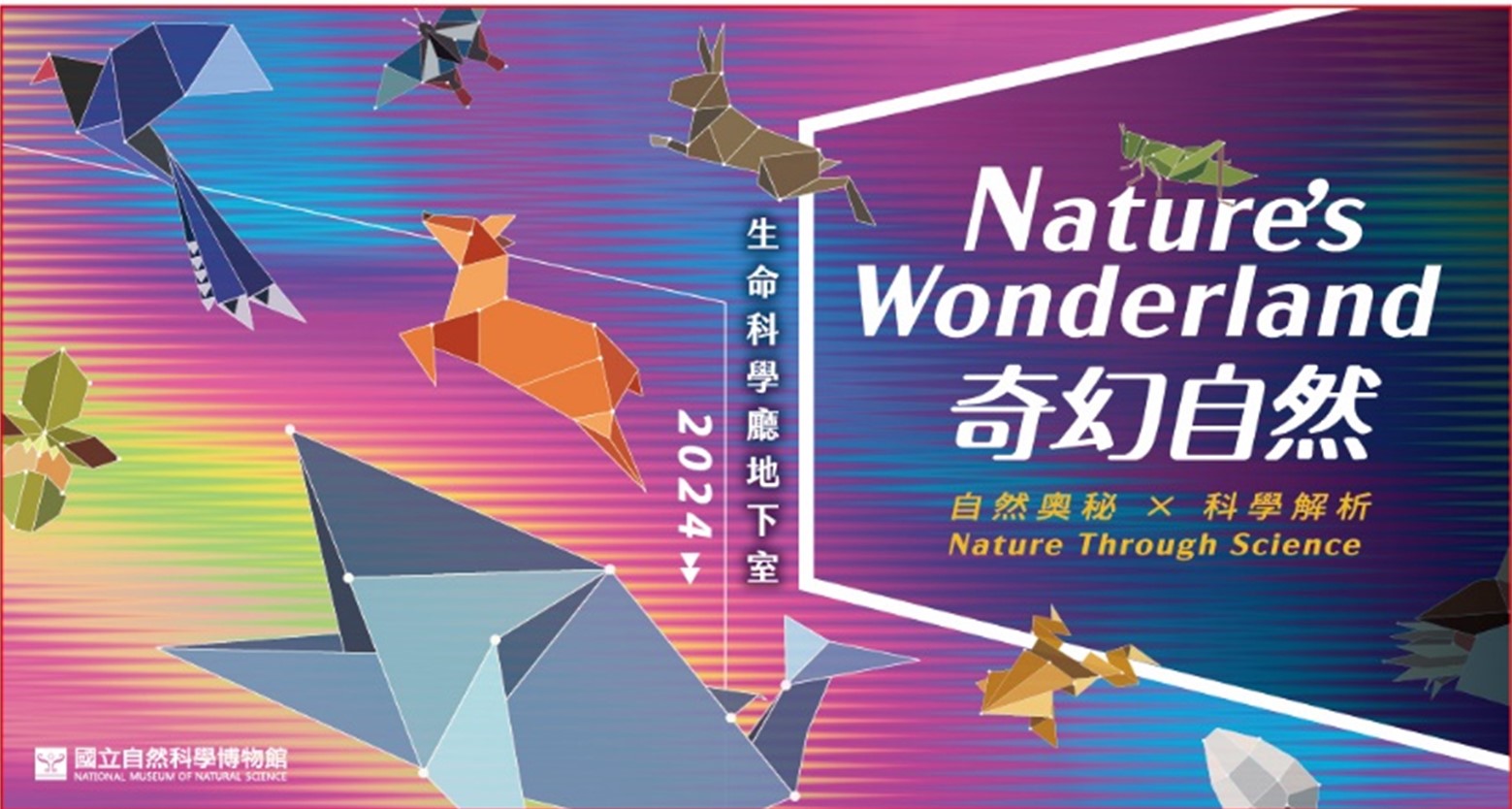
National Museum of Natural Science "Fantastic Nature" Permanent Exhibition
The National Museum of Natural Science welcomes a magnificent transformation of its Life Science Hall. The new…
Exhibitions SEP 17 — DEC 31 Now On
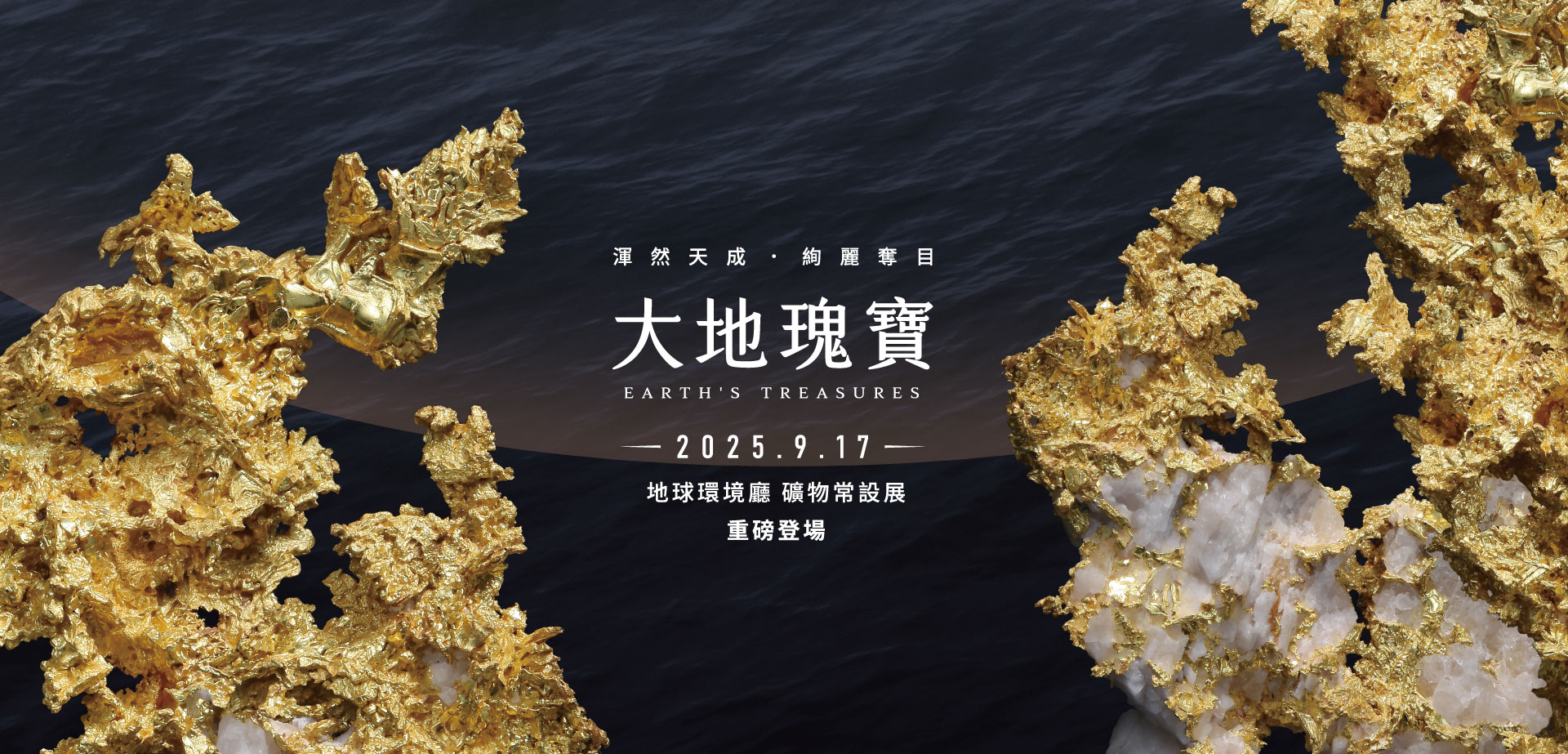
National Museum of Natural Science "Treasures of the Earth" Mineral Permanent Exhibition
After 5 years of planning, the National Museum of Natural Science is now proudly launching Taiwan's first large-scale…
Exhibitions JAN 1 — AUG 9 Now On
"24/7::: Repetition and Layering in Creation" Children's Art Education Exhibition
"24/7" (twenty-four-seven), meaning 24 hours a day, 7 days a week, is an idiom in the English-speaking world used to…