Exhibitions Now On
Chih-chi's Song—A Short and Bright Life Force
In the history of modern Taiwanese art, the name of Chen Chih-chi (陳植棋) (1906-1931) is like the first light of dawn—brief yet exceptionally brilliant. He lived only 26 years but left a profound and vivid artistic footprint. He painted not just landscapes and still lifes, but the cultural dream of an era and an island.
'This is Chih-chi's song.' This phrase originates from the recollections of art historian Hsieh Li-fa (謝里法). Painter Lee Shih-chiao (李石樵) still remembered the song 'Hou-pi-kou (後壁溝)' in the 1980s—it was Chen Chih-chi's favorite song to sing and also the image footnote his friends used for him. It was a song without a designated composer, but every artist who spent time with him remembered the melody. Hung Jui-lin (洪瑞麟) sang it, and Hsieh Li-fa also sang it for Hung. This song became the locus of 'Chen Chih-chi' in their collective memory.
This year (2026) marks the 120th anniversary of Chen Chih-chi's birth. We use 'Chih-chi's Song' as the exhibition title, not only to let the melody that once existed in Taiwanese art history resound again but also as a summoning—to call us to gaze anew upon that prematurely deceased yet unforgotten painter and the seeds he left in the development of Taiwanese art.
The exhibition is divided into four sections. Starting with 'Enlightenment Under New Education,' it presents his learning journey at Taipei Normal School and Tokyo School of Fine Arts, and how he gradually established his personal style and worldview. It then moves into his role as 'An Artist at the Forefront of His Time,' focusing on social issues, actively participating in the national movement, founding the Seven Stars Painting Society (七星畫會), the Red Island Society (赤島社), and the Painting Research Institute, showcasing his social responsibility and activism as an artist. It then returns to exploring artistic creation; Chen Chih-chi hoped to establish a kind of 'painting belonging to Taiwan.' His depictions of Tamsui (淡水), Hsichih (汐止), and urban landscapes wrote the era from local scenery. For him, a painting was not a 'representation of scenery' but a 'self-presentation of the island.'
'Short and bright' was his summary of his own life. Viewed today, this is not just a humble description but an artistic conviction. Life may be short, but its meaning can be long-lasting; the body of work may be small, but its spirit continues to shine. This is not merely a retrospective of a painter but a summoning and reconstruction of Taiwan's artistic memory.
'This is Chih-chi's song.' This phrase originates from the recollections of art historian Hsieh Li-fa (謝里法). Painter Lee Shih-chiao (李石樵) still remembered the song 'Hou-pi-kou (後壁溝)' in the 1980s—it was Chen Chih-chi's favorite song to sing and also the image footnote his friends used for him. It was a song without a designated composer, but every artist who spent time with him remembered the melody. Hung Jui-lin (洪瑞麟) sang it, and Hsieh Li-fa also sang it for Hung. This song became the locus of 'Chen Chih-chi' in their collective memory.
This year (2026) marks the 120th anniversary of Chen Chih-chi's birth. We use 'Chih-chi's Song' as the exhibition title, not only to let the melody that once existed in Taiwanese art history resound again but also as a summoning—to call us to gaze anew upon that prematurely deceased yet unforgotten painter and the seeds he left in the development of Taiwanese art.
The exhibition is divided into four sections. Starting with 'Enlightenment Under New Education,' it presents his learning journey at Taipei Normal School and Tokyo School of Fine Arts, and how he gradually established his personal style and worldview. It then moves into his role as 'An Artist at the Forefront of His Time,' focusing on social issues, actively participating in the national movement, founding the Seven Stars Painting Society (七星畫會), the Red Island Society (赤島社), and the Painting Research Institute, showcasing his social responsibility and activism as an artist. It then returns to exploring artistic creation; Chen Chih-chi hoped to establish a kind of 'painting belonging to Taiwan.' His depictions of Tamsui (淡水), Hsichih (汐止), and urban landscapes wrote the era from local scenery. For him, a painting was not a 'representation of scenery' but a 'self-presentation of the island.'
'Short and bright' was his summary of his own life. Viewed today, this is not just a humble description but an artistic conviction. Life may be short, but its meaning can be long-lasting; the body of work may be small, but its spirit continues to shine. This is not merely a retrospective of a painter but a summoning and reconstruction of Taiwan's artistic memory.
Event Details
- 2026-03-21 — 國立臺灣美術館
You Might Also Like
Exhibitions JAN 19 — DEC 31 Now On
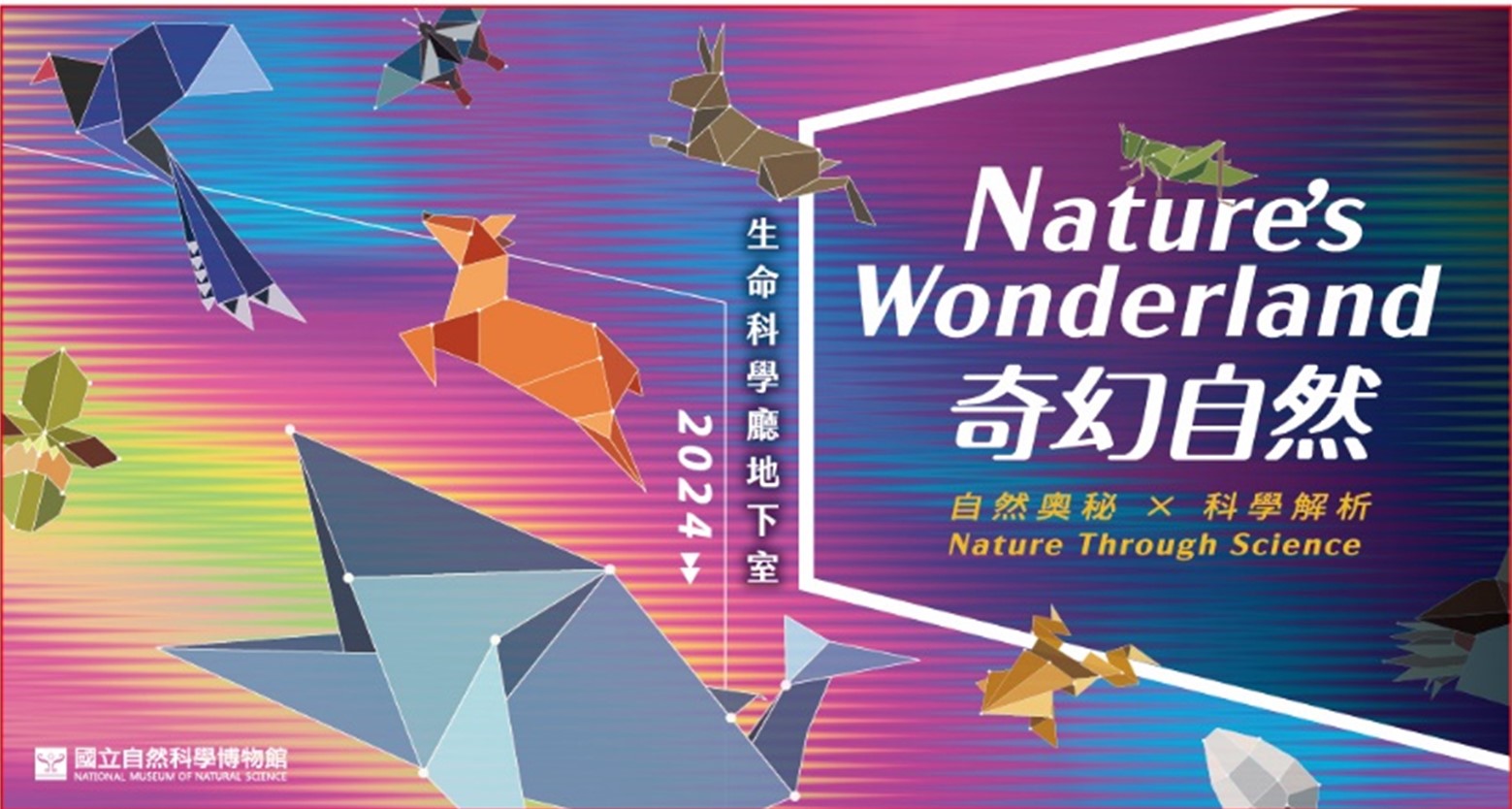
National Museum of Natural Science "Fantastic Nature" Permanent Exhibition
The National Museum of Natural Science welcomes a magnificent transformation of its Life Science Hall. The new…
Exhibitions SEP 17 — DEC 31 Now On
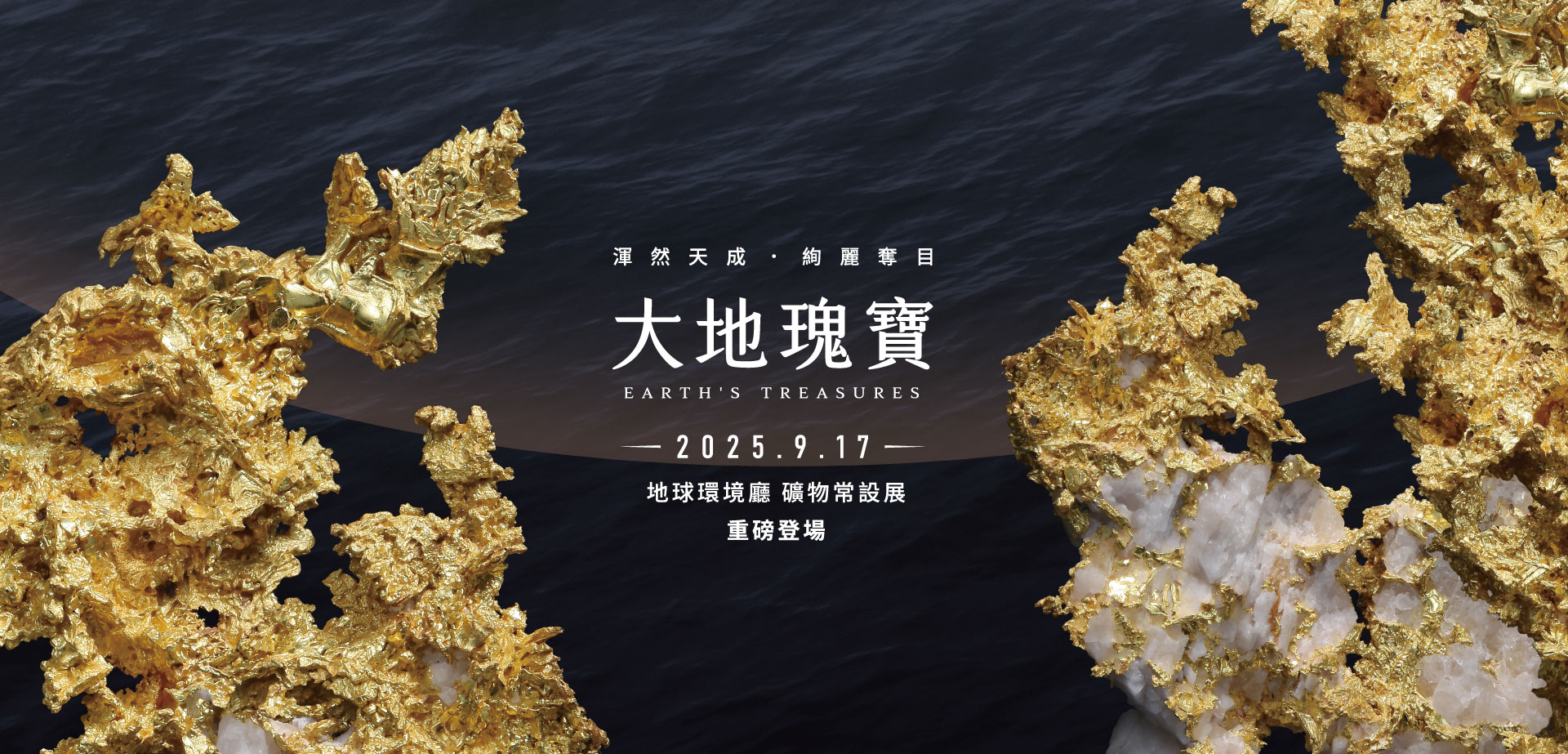
National Museum of Natural Science "Treasures of the Earth" Mineral Permanent Exhibition
After 5 years of planning, the National Museum of Natural Science is now proudly launching Taiwan's first large-scale…
Exhibitions JAN 1 — AUG 9 Now On
"24/7::: Repetition and Layering in Creation" Children's Art Education Exhibition
"24/7" (twenty-four-seven), meaning 24 hours a day, 7 days a week, is an idiom in the English-speaking world used to…