Exhibitions
2026 Showcasing Craftsmanship: Taichung City Traditional Craft Special Exhibition
The origin of traditional craft cultural heritage lies in preserving the wisdom and aesthetics accumulated over generations. Its importance is not only the continuation of techniques but also the foundation of collective cultural memory, social identity, and sustainable development. Since 2013, Taichung City has actively registered traditional crafts as intangible cultural assets, ensuring these precious skills can continue to be passed down in modern society.
Traditional crafts can be considered "living archives" of culture, as they are often interconnected with everyday life and local development processes, recording lifestyles and beliefs. For example, lacquerware crafts like wooden-body lacquerware, Penglai-style lacquerware, and Jia Zhu (cloth-reinforced) lacquerware are extensions of the Taichung "Yamaka Craft Institute" from the Japanese colonial period. Deity statue carving, lion head making, lantern crafts, and agarwood carving are closely linked to folk festivals. Pottery, rush grass weaving, kesi (silk tapestry), and embroidery were all once thriving craft industries. The Tachia iron kettle and sword forging originate from the development and practicality of iron culture. Additionally, Atayal traditional weaving crafts and Atayal traditional men's crafts embody the regional traditional skills of indigenous peoples, showcasing the diverse cultural heritage of ethnic groups and strengthening local identity.
Under the waves of globalization and industrialization, traditional crafts face the crisis of discontinuity. Therefore, the Cultural Heritage Preservation Act and registration system are in place for preservation and maintenance, ensuring skills do not disappear with the changing times. However, the importance of traditional craft cultural heritage lies not only in protecting "old techniques" but also in safeguarding the foundation of culture and future possibilities. It connects the past, present, and future, allowing the cultural heritage to continue its legacy, showcasing the unique cultural asset characteristics of the Taichung region.
Traditional crafts can be considered "living archives" of culture, as they are often interconnected with everyday life and local development processes, recording lifestyles and beliefs. For example, lacquerware crafts like wooden-body lacquerware, Penglai-style lacquerware, and Jia Zhu (cloth-reinforced) lacquerware are extensions of the Taichung "Yamaka Craft Institute" from the Japanese colonial period. Deity statue carving, lion head making, lantern crafts, and agarwood carving are closely linked to folk festivals. Pottery, rush grass weaving, kesi (silk tapestry), and embroidery were all once thriving craft industries. The Tachia iron kettle and sword forging originate from the development and practicality of iron culture. Additionally, Atayal traditional weaving crafts and Atayal traditional men's crafts embody the regional traditional skills of indigenous peoples, showcasing the diverse cultural heritage of ethnic groups and strengthening local identity.
Under the waves of globalization and industrialization, traditional crafts face the crisis of discontinuity. Therefore, the Cultural Heritage Preservation Act and registration system are in place for preservation and maintenance, ensuring skills do not disappear with the changing times. However, the importance of traditional craft cultural heritage lies not only in protecting "old techniques" but also in safeguarding the foundation of culture and future possibilities. It connects the past, present, and future, allowing the cultural heritage to continue its legacy, showcasing the unique cultural asset characteristics of the Taichung region.
Event Details
- 2026-06-13 — 臺中市大墩文化中心
You Might Also Like
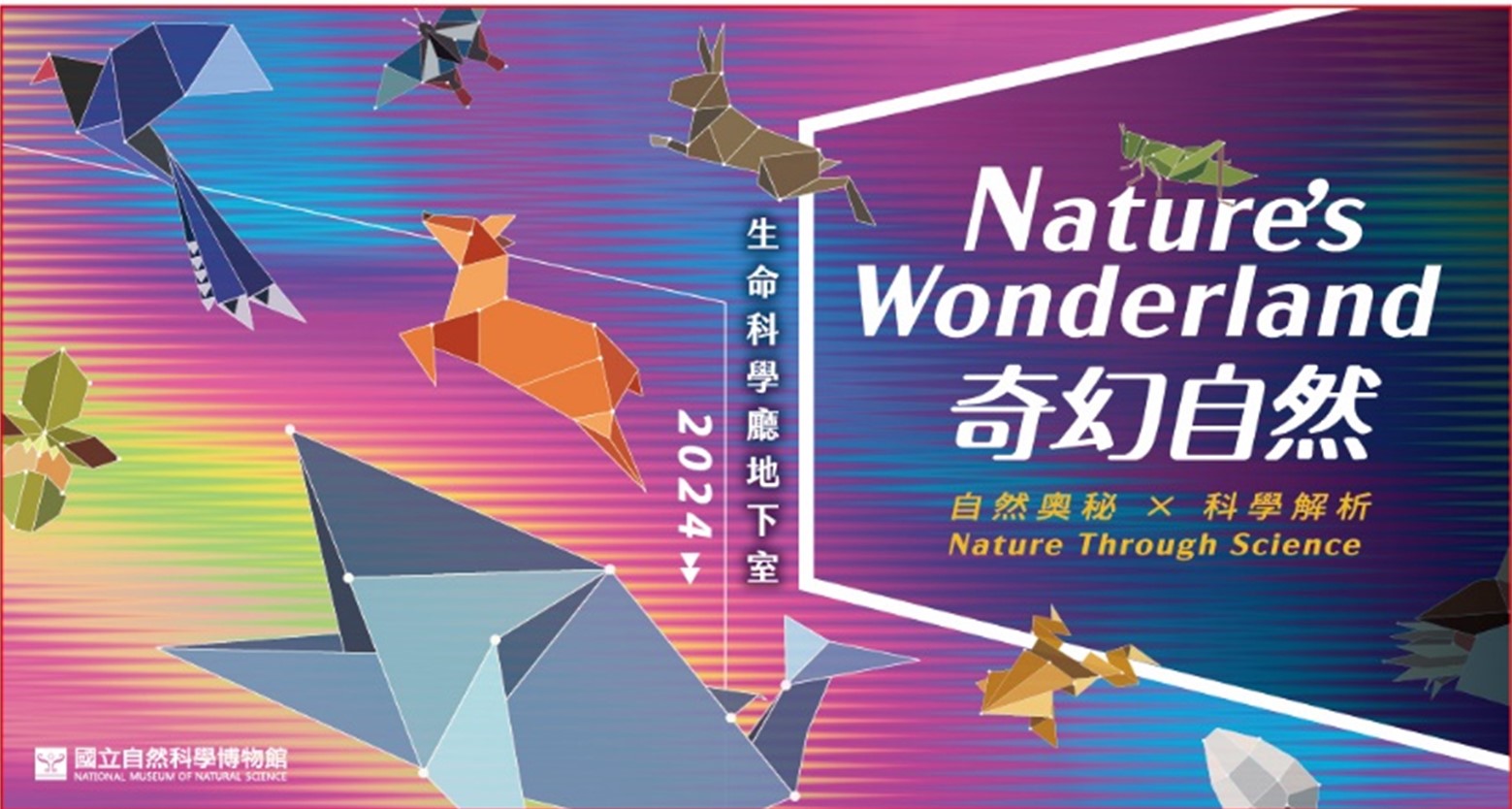
Exhibitions JAN 19 — DEC 31 Now On
National Museum of Natural Science "Fantastic Nature" Permanent Exhibition
The National Museum of Natural Science welcomes a magnificent transformation of its Life Science Hall. The new…
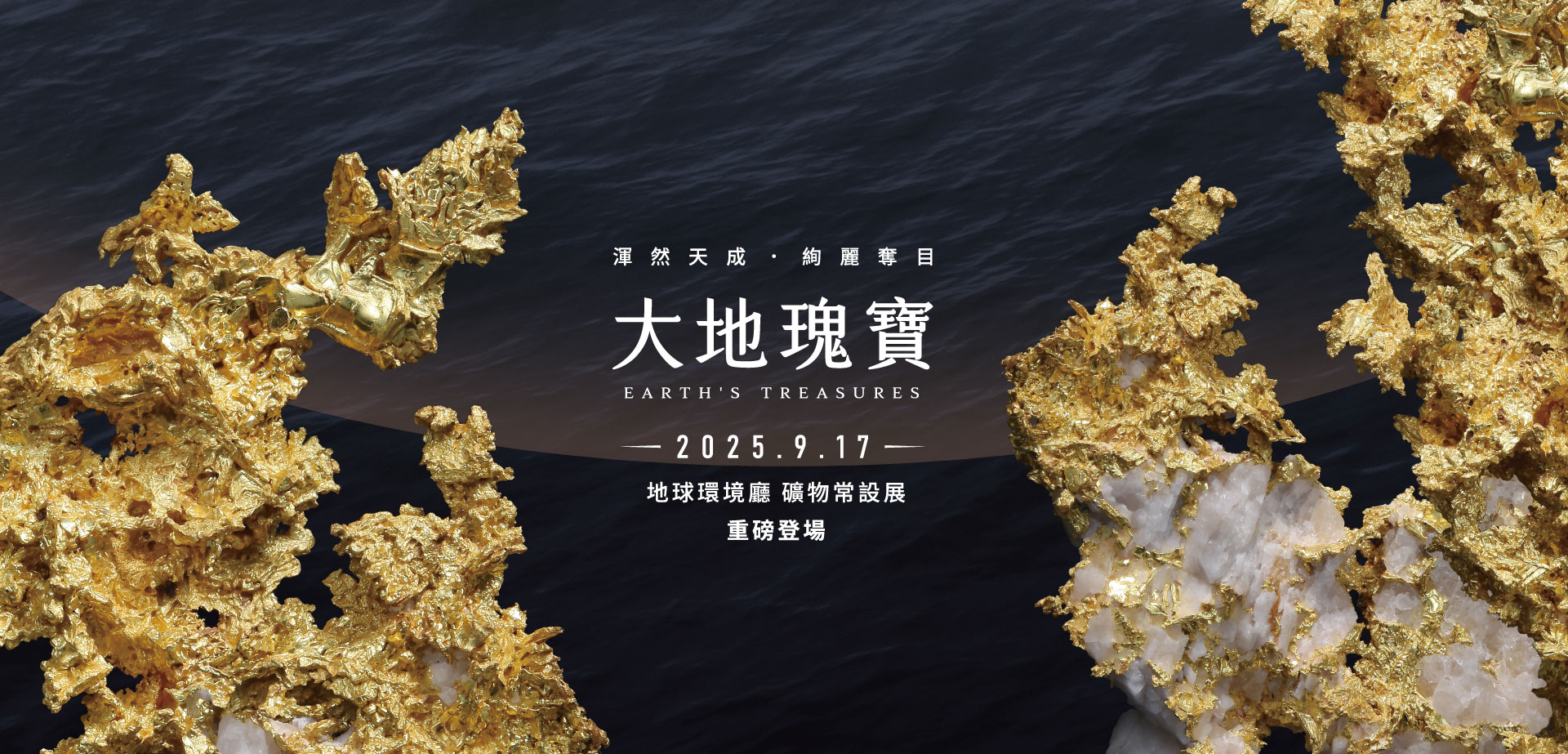
Exhibitions SEP 17 — DEC 31 Now On
National Museum of Natural Science "Treasures of the Earth" Mineral Permanent Exhibition
After 5 years of planning, the National Museum of Natural Science is now proudly launching Taiwan's first large-scale…
Exhibitions JAN 1 — AUG 9 Now On
"24/7::: Repetition and Layering in Creation" Children's Art Education Exhibition
"24/7" (twenty-four-seven), meaning 24 hours a day, 7 days a week, is an idiom in the English-speaking world used to…